
A Brief History of Steel Manufacturing in Australia
A Brief History Of Steel Manufacturing In Australia
Steel didn’t take hold in Australia in a straight line. It took two false starts, one national federation, and about sixty years before the industry looked anything like what built the Sydney Harbour Bridge. Here’s how it actually happened.
The False Start: 1840s-1870s
Iron ore was discovered at Iron Knob, South Australia, in 1840, a decade before the Gold Rush and while the country was still a collection of separate colonies. But the equipment wasn’t there to do anything with it. Attempts to smelt the ore into pig iron failed, mostly down to poor ore and coke quality. Other colonies, Victoria, Tasmania, New South Wales, had minor iron ore finds too, but limited expertise meant the resulting steel couldn’t compete with what was arriving from Britain. By the 1870s, local production had essentially stopped.
The Comeback: 1901-1915
Whichever the correct name, the timing lines up with what the country actually needed: rapid growth was driving demand for rail infrastructure and industrial machinery, and importing all of it stopped making sense. Once Newcastle was running, more steelworks followed at Whyalla, South Australia, and Port Kembla, NSW, and the industry had a real domestic footing for the first time.
The Boom Years: 1960s-1980s
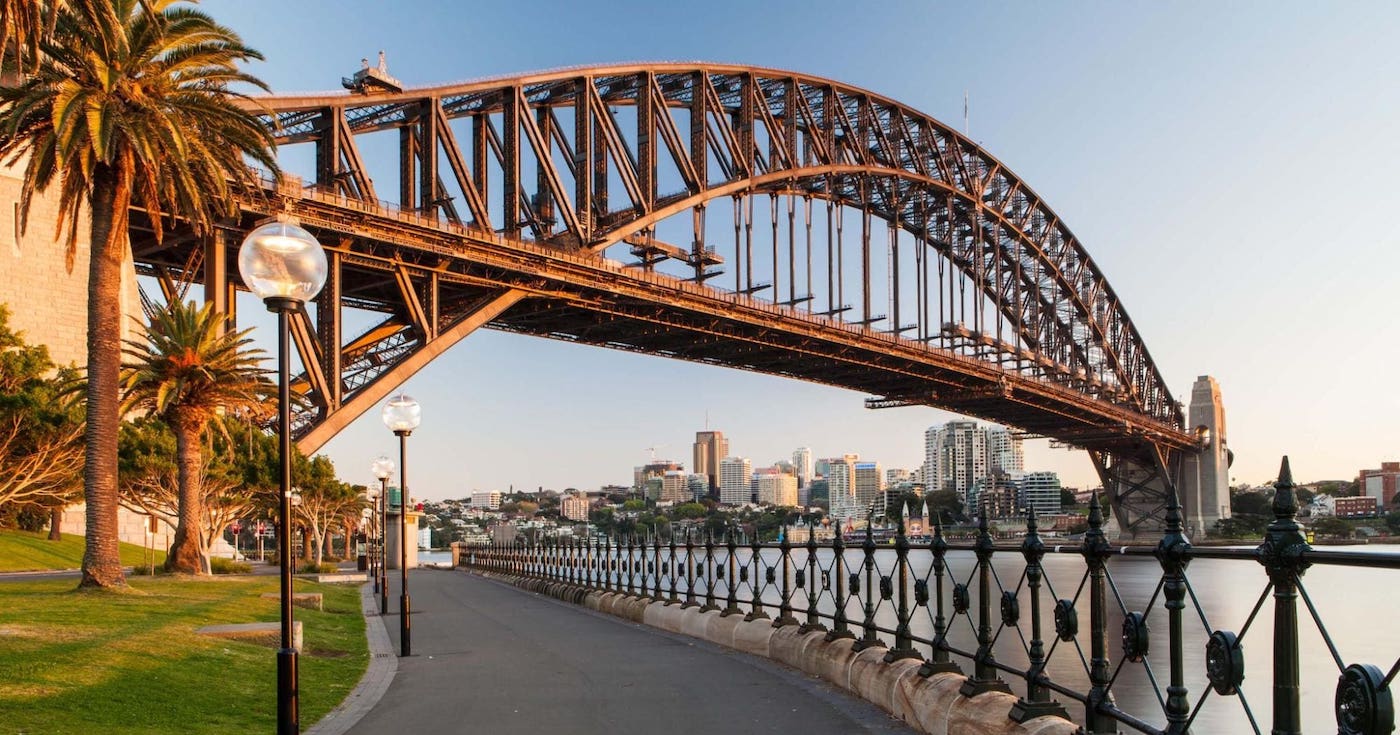
This is the period that gets skipped in most short histories, but it’s the one with the numbers. Australian steel production grew from roughly 4.6 million tonnes in 1963 to around 10 million tonnes by 1981, more than doubling inside two decades. This was also the era that produced some of the country’s most recognisable steel landmarks, including the completion of the Sydney Harbour Bridge in 1932, built with steel from an industry still finding its feet just three decades after Eskbank’s first furnace.
The Shift Offshore: 1980s Onward
By the early 1980s, manufacturers in China and South East Asia could produce comparable steel at a lower cost, and Australian production started moving that direction too. It wasn’t a collapse so much as a restructuring: the industry faced pressure to clean up its environmental footprint at the same time, which pushed a broader shift toward recycling and more efficient processes rather than pure volume growth.
Where The Industry Sits Today
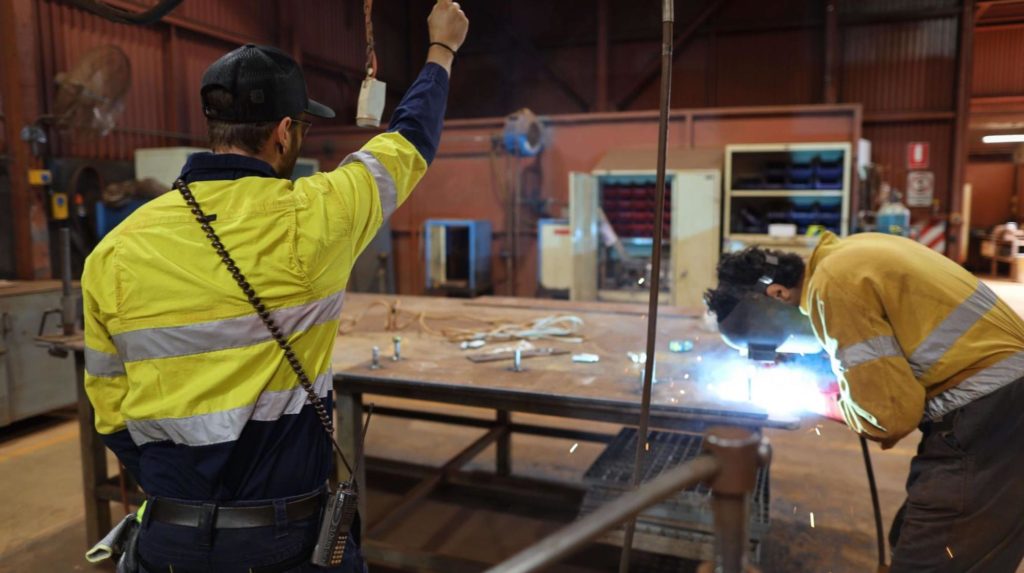
Australia’s steel supply today is largely a hybrid: a lot of the raw production happens offshore, with processing, fabrication and distribution completed locally. That’s the model Australian Steel Traders operates within, we’re not trying to compete with a blast furnace, we’re sourcing from a global network and getting the right grade and profile to your site. Steel also remains among the world’s most recycled materials, see our comparison of recycled versus new steel if you’re weighing that decision for your own project. If you want to know where your steel is actually coming from before you order, get in touch and we’ll tell you straight.
The Modern Age Of Steel
The landscape of steel manufacturing in Australia is firmly established as a mix of off-shore manufacturing with processing and fabrication completed in Australia.
The transformation of the industry includes a major objective to become more streamlined and reduce greenhouse gas emissions. Steel is the most recycled product in the world and Australia’s network of manufacturers and recycling facilities play a major part in the global industry.
Steel has become part of the fabric of Australia, both in its buildings and its community. Through structures, machinery, tools and many more steel goods, Australia continues to strive for excellence.
If you are searching for a steel supplier that operates with passion and integrity or simply want to get some professional advice, get in touch with Australian Steel Traders. We source quality steel from an extensive network of Australian and International suppliers, making the process smooth and efficient.
Ask for a quote from our friendly team today!