Seamless vs ERW vs LSAW vs SSAW Pipe: Which One Do You Need?
Seamless vs ERW vs LSAW vs SSAW Pipe: Which One Do You Need?
Seamless Pipe: The Gold Standard, At A Price
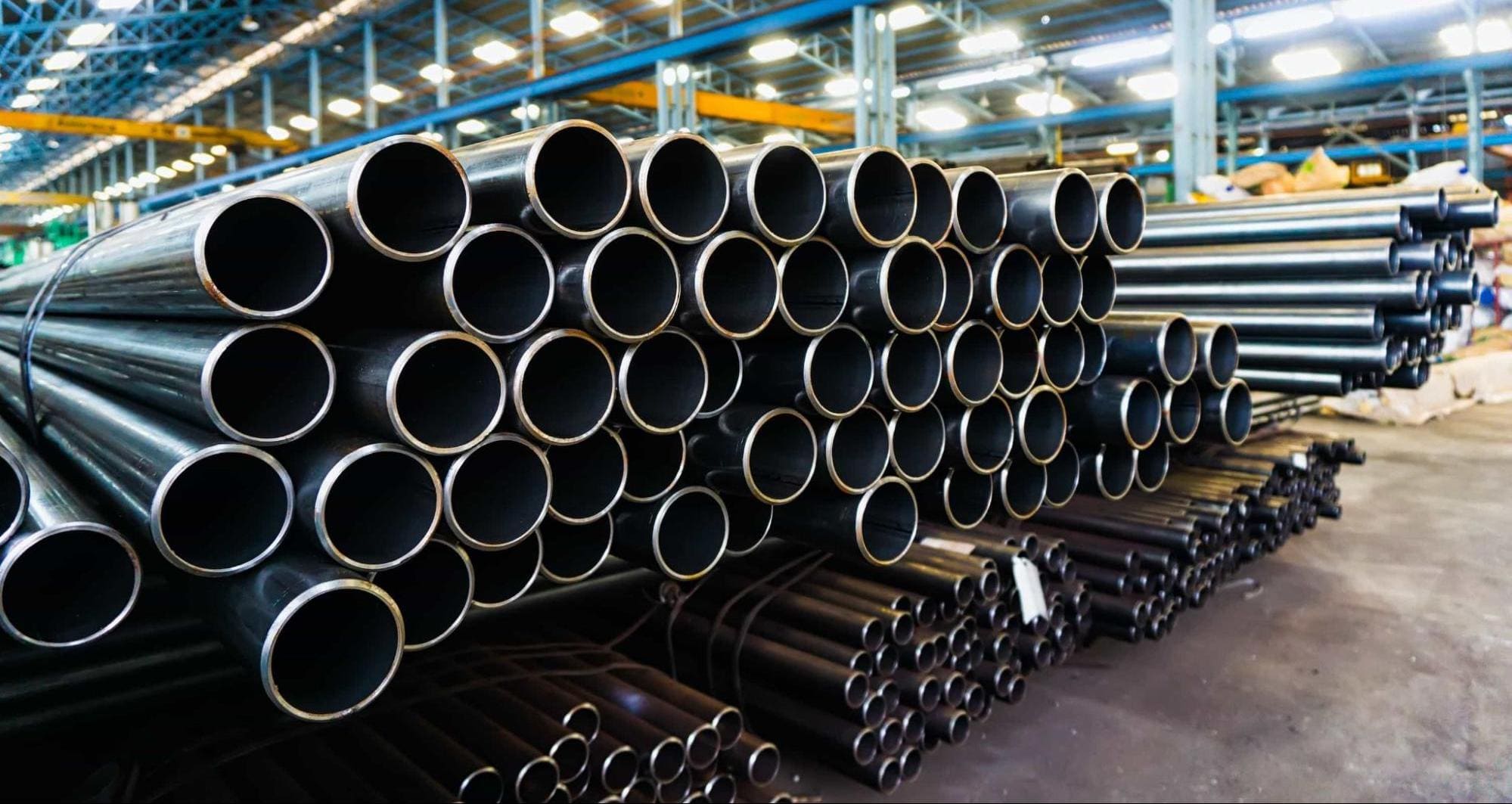
Made from a solid billet, heated and pierced into a hollow section with no weld seam at all. That absence of a weld is the whole point, it removes the weakest point most pipe failures start at, which is why seamless is the default for high-pressure, safety-critical applications. It costs 25-40% more per tonne than ERW and is produced up to 36 inches, beyond that, seamless mills generally can’t go without an expensive secondary hot-expansion process, which is exactly why LSAW and SSAW exist for the large-diameter end of the market.
ERW: The Workhorse
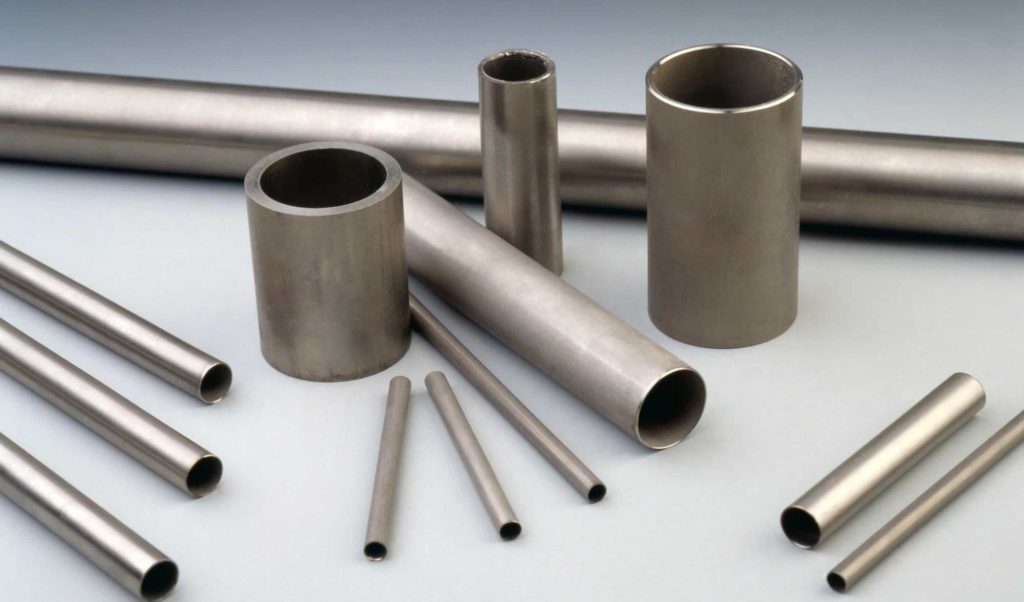
Steel coil gets rolled into a tube and the seam welded shut using two rotating copper electrodes, a continuous, efficient process that keeps ERW cheaper than seamless while still holding up for moderate-pressure work, water, oil and gas distribution lines, general construction. Defects are easier to catch than with submerged-arc welding too, ultrasonic or visual inspection picks up a straight weld line reliably. ERW tops out around 24 inches (roughly 610mm), past that you’re into LSAW or SSAW territory.
LSAW: Medium-To-High Pressure, Large Diameter
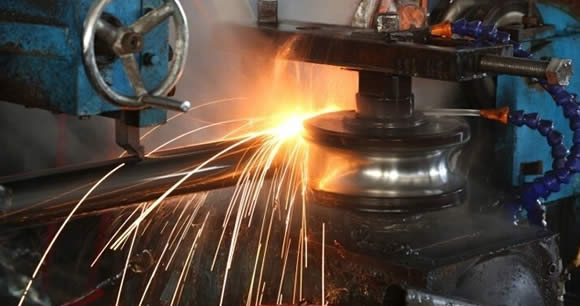
Hot-rolled coil plate steel is formed into a cylinder and welded along a straight longitudinal seam. LSAW competes directly with seamless and ERW in the 16-24 inch range but keeps going well beyond where those two stop, competitor data puts large-diameter LSAW supply up to 120 inches for infrastructure use, worth confirming against current supplier specs before quoting a hard upper limit. It’s the standard for long-distance oil, gas and hydrocarbon transmission pipelines under API 5L.
SSAW: Large Diameter, Lower Pressure
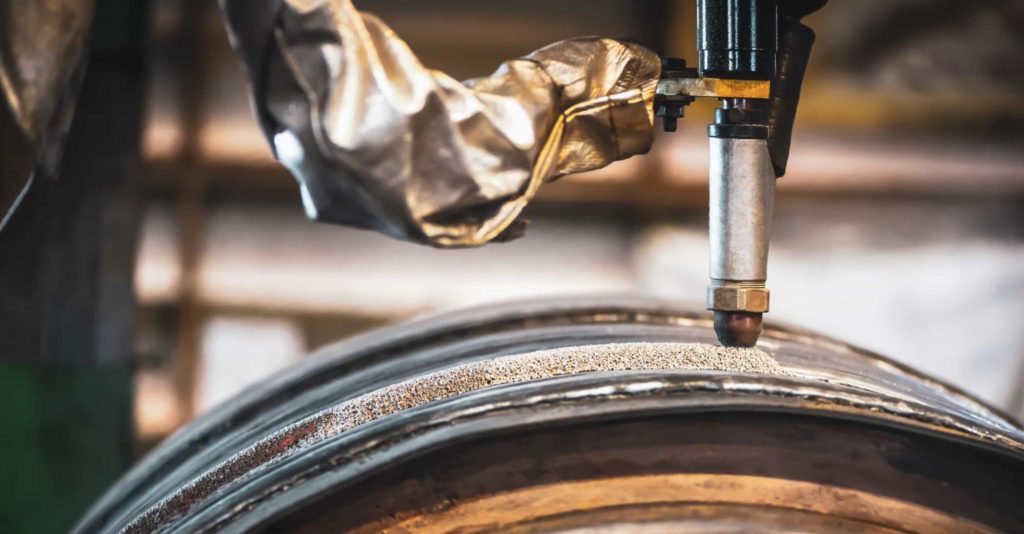
Same submerged-arc welding process as LSAW, but the strip is wound and welded in a spiral rather than a straight line. That spiral geometry makes very large diameters achievable at a lower cost than LSAW, at the trade-off of lower pressure tolerance. You’ll see SSAW in low-pressure fluid transmission: offshore platform lines, petrochemical plant piping, water mains, and pile driving for civil construction.
How To Order The Right Spec
Two dimensions decide most of it: nominal pipe size (NPS) and wall thickness (schedule). Lengths run single random (SRL, 5-7m) under 4 inches or double random (DRL, 11-13m) above that, with custom lengths available for long pipelines. Ends can be bevelled, plain, threaded, threaded-and-coupled, or grooved. When you request a quote, have these ready:
- Type: seamless or welded (ERW / LSAW / SSAW)
- Schedule (wall thickness)
- End type
- Material grade
- Quantity, in metres or feet
At Australian Steel Traders, we supply all four types through an extensive network of manufacturers in Australia and internationally. If you’re not sure which one your project actually needs, contact us with your pressure rating and diameter, we’ll tell you which type fits rather than upselling you to seamless when ERW would do the job.