The 6 Step of Modern Steel Manufacturing
How Is Steel Made? The 6 Steps, Explained Simply
Steel is incredibly versatile used in everything from construction to appliances — in fact, worldwide crude steel production in 2021was 1,950 million tonnes. But how is this essential material created?
The process of steel manufacturing has evolved continuously since the industrial revolution in the 19th century. Nowadays there are several different ways of manufacturing steel, with the modern method simplified into 6 steps.
Let’s take a look at how it’s done.
1. Making The Iron
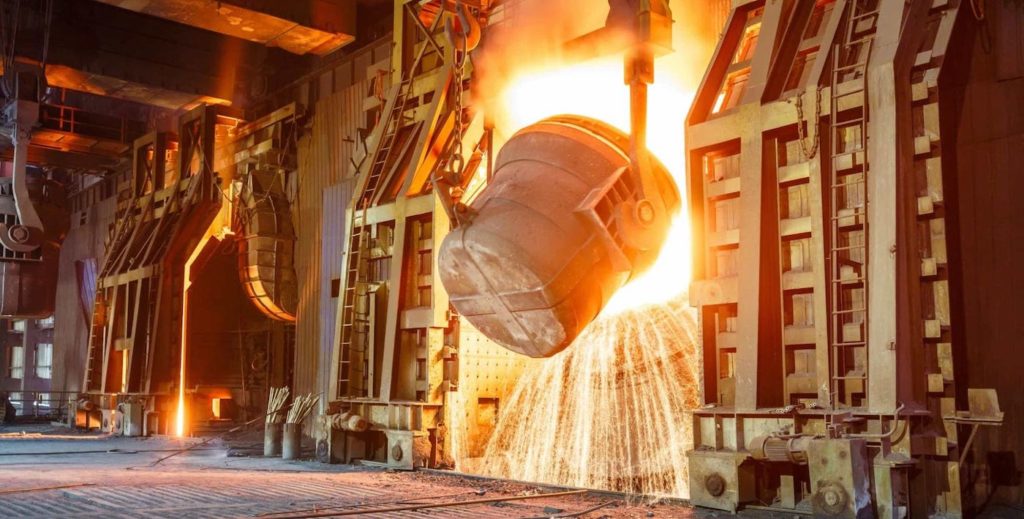
Limestone, coke (the fuel) and iron ore go into a blast furnace together and get melted down into molten iron. At this point it’s full of impurities, mostly carbon and other elements picked up from the ore and fuel, which makes it brittle. This raw molten iron isn’t steel yet, it’s the feedstock for the next stage.
2. Primary Steelmaking: BOS Or EAF
There are two routes here, and which one a mill uses affects cost and, increasingly, the carbon footprint of the finished product.
- Basic Oxygen Furnace (BOS): mixes recycled scrap with the fresh molten iron, then blasts oxygen through it to burn off carbon impurities. This is the traditional route for steel made from mostly virgin iron ore.
- Electric Arc Furnace (EAF): melts scrap steel (often close to 100% recycled input) using electric arcs at up to 1650°C. EAF is the dominant route for recycled steel production and generally has a lower carbon footprint, since it skips the blast furnace stage entirely.
Either way, what comes out is still low-quality steel that needs further refining, this stage gets the composition roughly right, not exactly right.
3. Secondary Steelmaking
This is where the mill dials in the exact alloy composition for the grade being produced, using techniques like stirring, ladle injection, ladle furnacing, argon bubbling, degassing and oxygen-based composition adjustment. The specific combination depends on what the final product needs to do, structural steel, tool steel and stainless steel all get treated differently here.
4. Continuous Casting
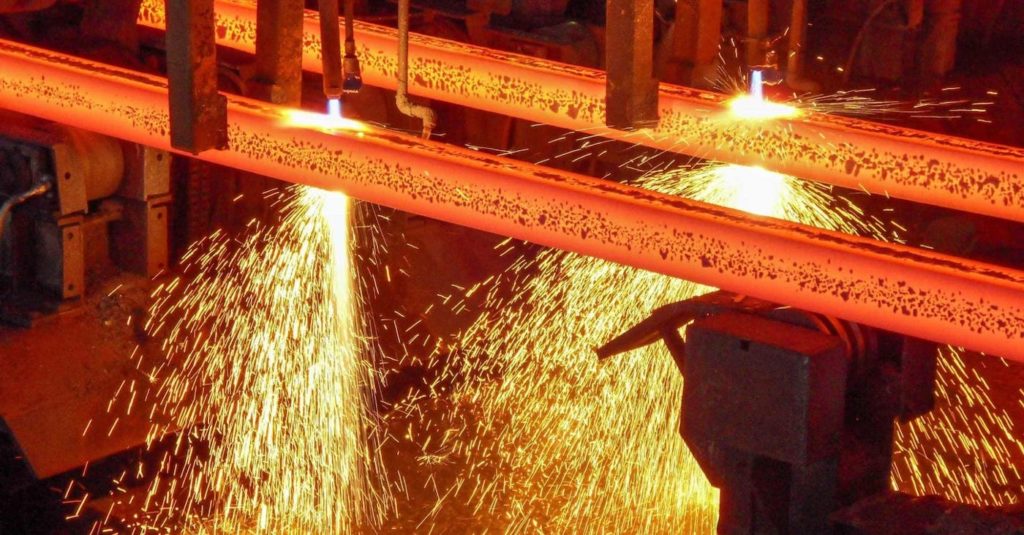
Molten steel goes into casts to solidify into semi-finished shapes: billets, blooms or slabs. It’s then run through a rolling mill where guides strip the thin outer shell before it’s fully cooled and cut to length. Which shape it becomes depends on what it’s headed for: billets become bars and wire, blooms become sections including structural beams, and slabs become plates and strip.
5. Primary Forming (Hot Rolling)
Slabs, blooms and billets get refined further through hot rolling, which doesn’t add or remove material but shapes it and works out any casting defects. This is also where the product line splits into long tubes, flat products, seamless tubes and specialty shapes, the raw form your finished order will come from.
6. Fabrication And Finishing
The final stage gives steel its finished shape and surface properties: machining (drilling), joining (welding), coating (galvanising), shaping (cold rolling or pressing), heat treatment (tempering) and surface treatment (carburising). What happens here depends entirely on the end product, a galvanised roofing product and a precision-machined tool component go through completely different finishing steps despite starting from the same rolled steel.
Why This Matters When You’re Ordering Steel
Knowing the process helps you ask better questions when you’re sourcing. If lead time matters, EAF-route recycled steel is often faster to turn around than fresh BOS production, ask. If you need a specific finish, confirm which fabrication step gets you there. At Australian Steel Traders, we source across this whole chain, from mills running both BOS and EAF routes through to finished, fabricated products, so if you’re not sure which route gets you what you need, contact us and we’ll walk you through the options rather than just quoting a price.
Call (07) 3192 9668 or email sales@astraders.com.au today.